
Verona Shakespeare Fringe 2026: Shakespeare Without Borders
The 6th edition of the Verona Shakespeare Fringe (VSF) once again confirmed its place as one of Europe’s most dynamic platforms for innovative Shakespeare performance.
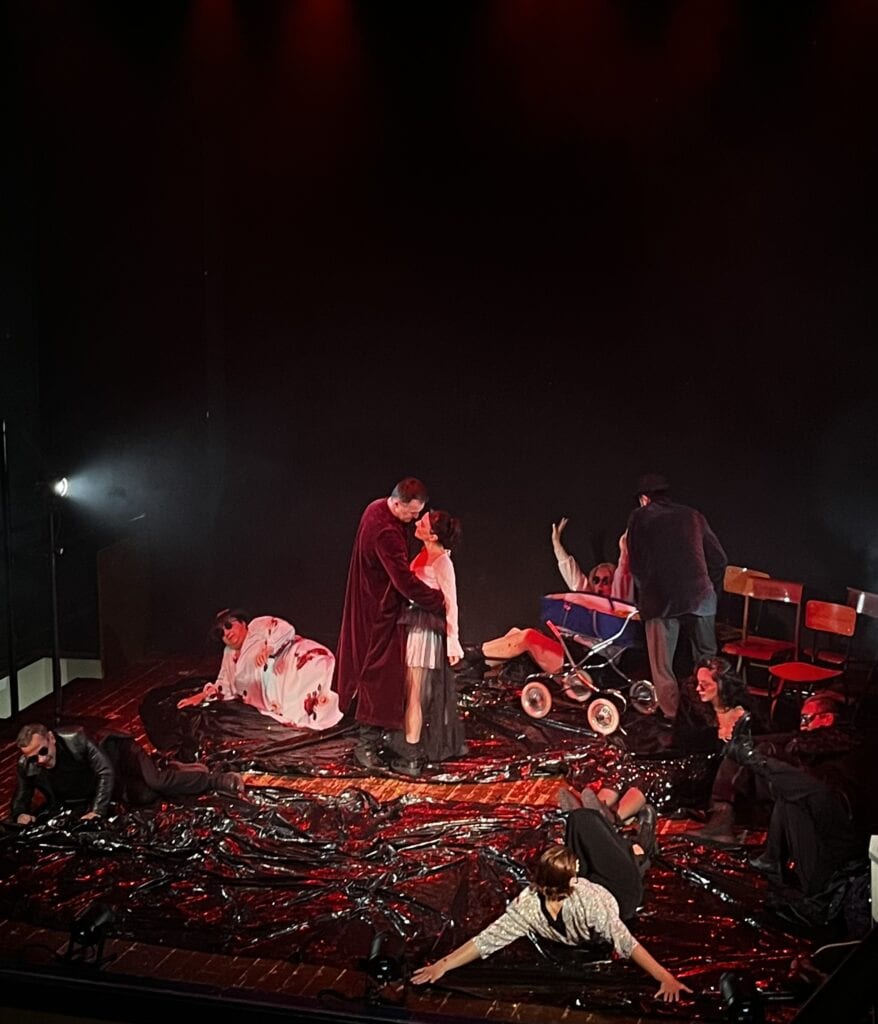
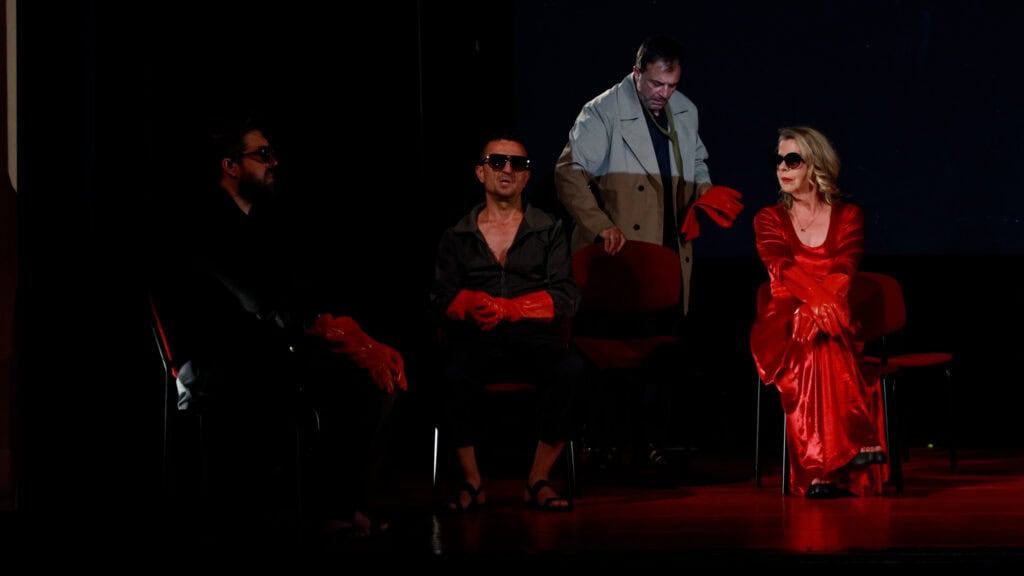
Held from 20–25 July 2026, the festival brought together six international productions from companies representing Italy/UK, North Macedonia, Malta, Armenia, the Czech Republic, and Hungary. Audiences experienced bold and multilingual interpretations of Shakespeare through theatre, music, and dance, including several world premieres.
For the first time, the festival served as the performance heart of the 12th World Shakespeare Congress, hosted in Italy under the theme Planetary Shakespeares. Artists, scholars, and audiences from around the world gathered in Verona, the city of Romeo and Juliet, to explore Shakespeare’s enduring relevance across cultures and artistic forms.
This year’s edition reaffirmed VSF’s mission as an international meeting place for contemporary Shakespeare performance, fostering dialogue between scholarship and artistic practice while highlighting Verona as a global hub for creative Shakespearean exchange.
Photo credits: Andreea Burciu (Coriolanus) and Elettra Bertucco (Romeo and Juliet).
New Open-Access Publication on the Verona Shakespeare Fringe
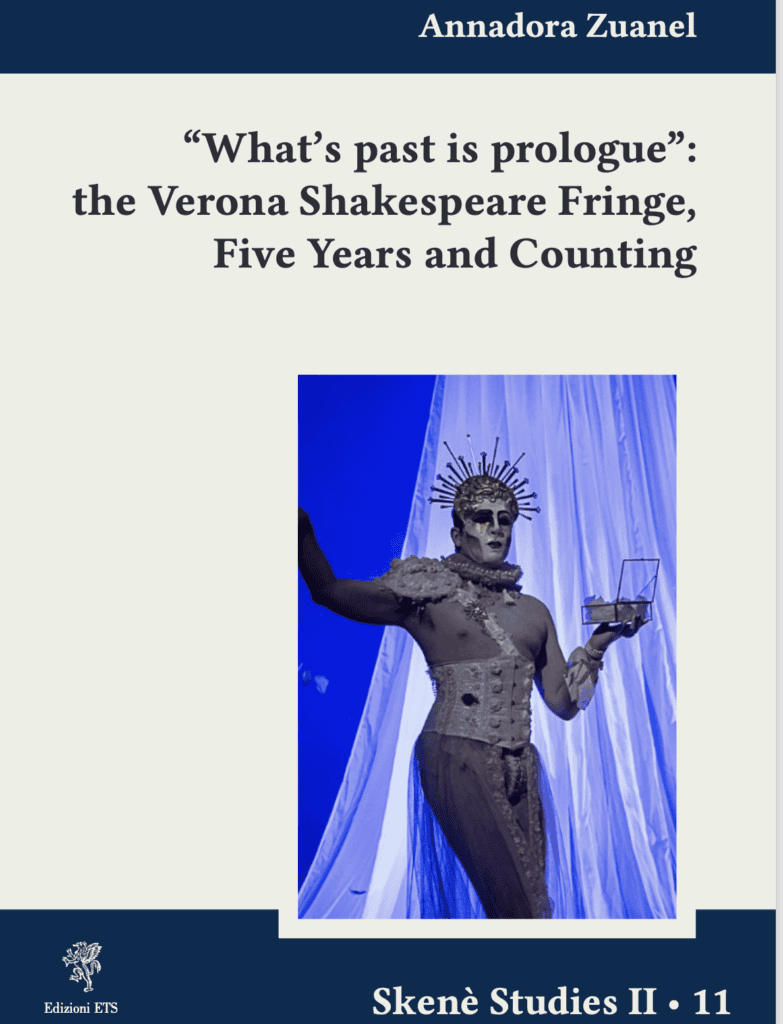
We are also delighted to highlight the publication of a new book by Annadora Zuanel, which explores the history, distinctive features, and impact of the Verona Shakespeare Fringe since its inception.
The volume offers valuable insight into the festival’s development, its international collaborations, and its role in creating new conversations between Shakespeare scholarship and performance practice.
The book is available in open access and can be downloaded here:
🔗 https://textsandstudies.skeneproject.it/index.php/TS/catalog/book/101
We warmly encourage festival professionals, researchers, artists, and Shakespeare enthusiasts to discover this important contribution to the study of contemporary Shakespeare festivals.